Behind every smartphone screen you touch and every medical device that saves a life lies the precise work of an AMT’s metal injection molding manufacturer, where skilled engineers transform fine metal powders into the intricate components that quietly power modern civilisation. This sophisticated metal injection molding manufacturing process represents more than mere technical innovation; it embodies the intersection of human ingenuity, economic opportunity, and the relentless pursuit of precision that defines Singapore’s rise as a global manufacturing powerhouse.
The Human Story Behind the Technology
In Singapore’s advanced manufacturing facilities, workers in cleanroom suits handle materials so fine they could slip through a needle’s eye. These are the unsung heroes of precision metal injection molding services, individuals whose labour transforms metal particles measuring less than 20 micrometres into components for operating theatres, automotive engines, and billions of pockets worldwide.
The technology tells a story of convergence, how plastic injection molding and powder metallurgy combined in the 1960s to solve seemingly insurmountable problems. Engineers faced a challenge: mass-producing metal components with geometries so complex that traditional machining would render them economically impossible.
The process unfolds in four critical stages:
• Material preparation: Fine metal powders blend with thermoplastic binders to create injectable feedstock
• Precision molding: Advanced machinery shapes the mixture into “green parts” with intricate geometries
• Careful debinding: Controlled processes remove polymer binders whilst preserving part integrity
• High-temperature sintering: Furnaces fuse metal particles into components, achieving 98% density
As one Singapore-based expert observes, “Metal Injection Molding (MIM) combines the precision of injection molding with powdered metal to produce highly complex metal components with exceptional mechanical properties.” This capability has profound implications for industries where failure is not an option.
Singapore’s Strategic Manufacturing Vision
Singapore’s emergence as a centre for advanced MIM manufacturing solutions reflects broader national priorities extending beyond economic development. The nation recognised that competitive advantage flows to those mastering sophisticated manufacturing whilst maintaining the highest quality standards.
Singapore’s strategic advantages include:
• World-class ISO certifications for global market access
• Strategic location with efficient connectivity to Asian markets
• Government investments in Industry 4.0 technologies
• Partnerships with leading research universities
• Regulatory frameworks encouraging innovation whilst maintaining safety standards
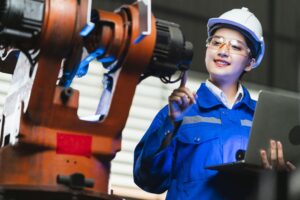
The human dimension becomes apparent when examining worker career trajectories. Engineers who began operating basic injection molding equipment now oversee sophisticated metal injection molding production systems integrating artificial intelligence, real-time quality monitoring, and predictive maintenance.
Materials Science Meets Human Need
The evolution of materials available through MIM technology reflects humanity’s quest to solve practical problems. Traditional stainless steels enable life-saving surgical instruments, whilst speciality compositions address previously impossible challenges.
Material innovations demonstrate broad applications:
• Medical applications: Nickel-free stainless steels for surgical instruments and dental implants
• Aerospace engineering: Superalloys enabling safe jet engine operations
• Electronics industry: Copper-based materials for electrical conductivity
• Industrial manufacturing: Tool steels for precision equipment components
• Safety applications: Tungsten alloys for radiation protection systems
As Singapore-based researchers explain, “We manufacture high-density components with superior properties such as high strength, excellent magnetic permeability, good creep resistance, corrosion resistance and thermal conductivity.” This technical capability translates into real-world impact across multiple industries.
Industry Applications: Where Technology Meets Lives
The true measure of MIM component manufacturing excellence lies not in technical specifications but in how these parts improve human lives. In operating theatres worldwide, surgeons rely on instruments featuring internal fluid channels so intricate that traditional manufacturing could never produce them economically. These tools enable procedures that once required major surgery through millimetre-sized incisions.
Automotive applications demonstrate how MIM technology enhances safety and efficiency. Fuel injection systems optimise combustion whilst reducing emissions. Transmission components withstand enormous forces whilst maintaining precise tolerances for smooth operation. Sensor housings protect delicate electronics, enabling advanced safety systems.
Industry sectors showcase MIM’s transformative impact:
• Healthcare devices: Complex surgical instruments enabling minimally invasive procedures
• Automotive systems: Precision components for fuel efficiency and safety enhancement
• Consumer electronics: Miniaturised parts enabling smartphone functionality and connectivity
• Industrial equipment: High-performance components for manufacturing automation systems
The electronics industry increasingly depends on innovative metal injection molding techniques for components that traditional manufacturing simply cannot produce at scale. Modern smartphones contain multiple MIM parts, camera housings that maintain optical precision, connector pins that ensure reliable electrical contact, and structural elements that provide strength whilst minimising weight and space requirements.
Quality Standards: The Foundation of Trust
In precision manufacturing, quality becomes the foundation upon which industries build reputations and customers place trust. Singapore’s manufacturers maintain comprehensive quality systems reflecting a deep understanding of how component failures cascade into larger problems.
Quality assurance encompasses multiple dimensions:
• Advanced metrology equipment enabling measurement capabilities exceeding requirements
• Statistical process control ensuring consistency across production runs
• Cleanroom environments for medical device manufacturing
• Heat treatment optimisation for application-specific properties
• Surface treatments enhancing corrosion resistance and biocompatibility
Future Innovations: Technology in Service of Humanity
Singapore’s manufacturers invest continuously in advanced technologies, ensuring the capability to address tomorrow’s challenges. Industry 4.0 integration enables innovations that amplify MIM technology’s impact on human welfare.
Emerging technologies include:
• Real-time monitoring and quality assurance, preventing defects before occurrence
• Artificial intelligence optimising process parameters for maximum efficiency
• Machine learning algorithms identifying potential quality issues predictively
• Advanced simulation software optimising designs before physical production
• Research into new material compositions expanding application possibilities
The Invisible Foundation of Progress
Most people never consider the precisely manufactured metal components that enable their daily lives. Yet these parts, created through the sophisticated processes mastered by Singapore’s AMT’s metal injection molding manufacturer, form the invisible foundation upon which modern technological civilisation depends, quietly enabling the precision, reliability, and innovation that define our interconnected world.